PROTECT YOUR VISION
Glaucoma
Care & Treatment
Early Detection. Expert Care. Better Vision for Life.
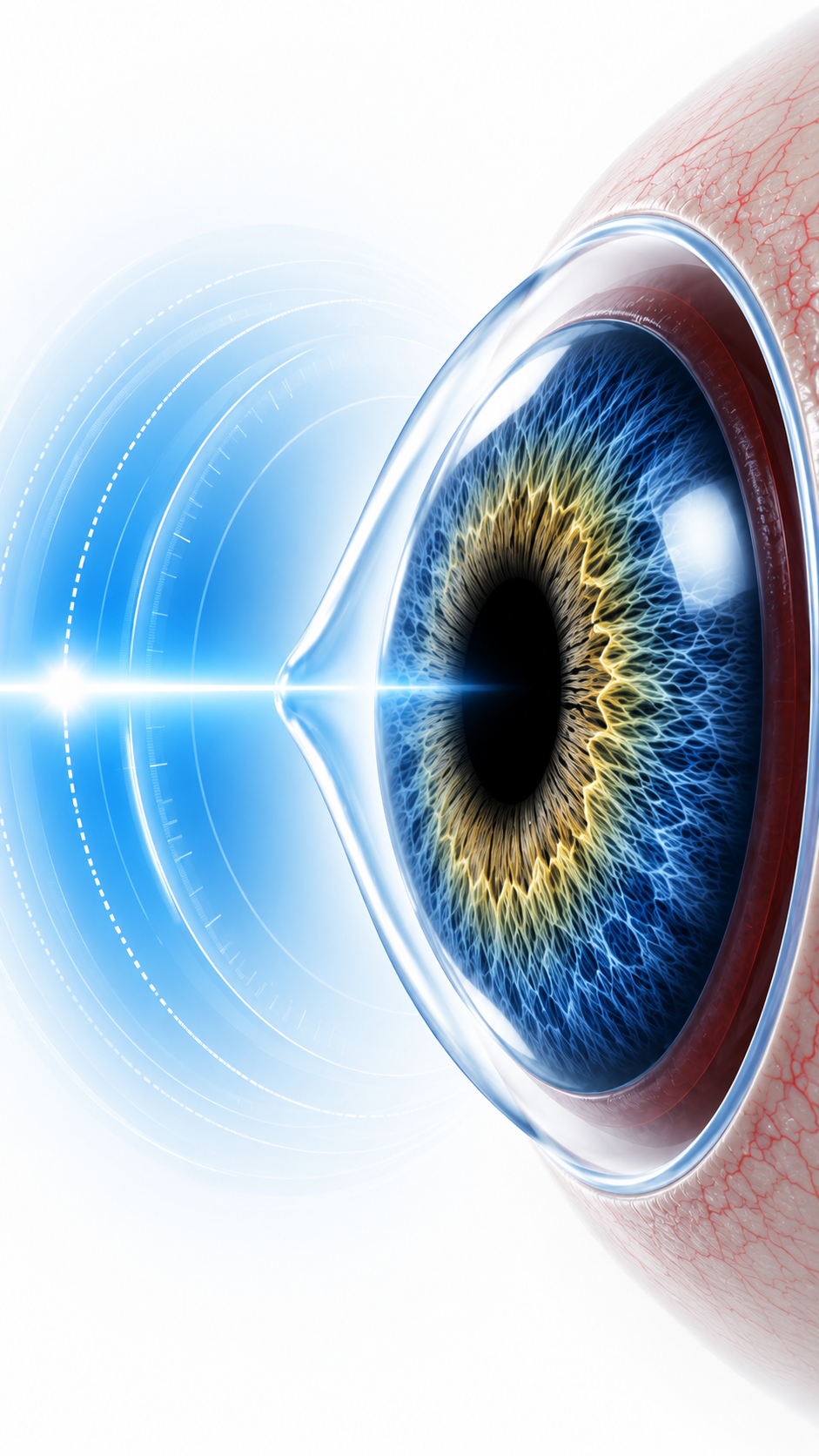
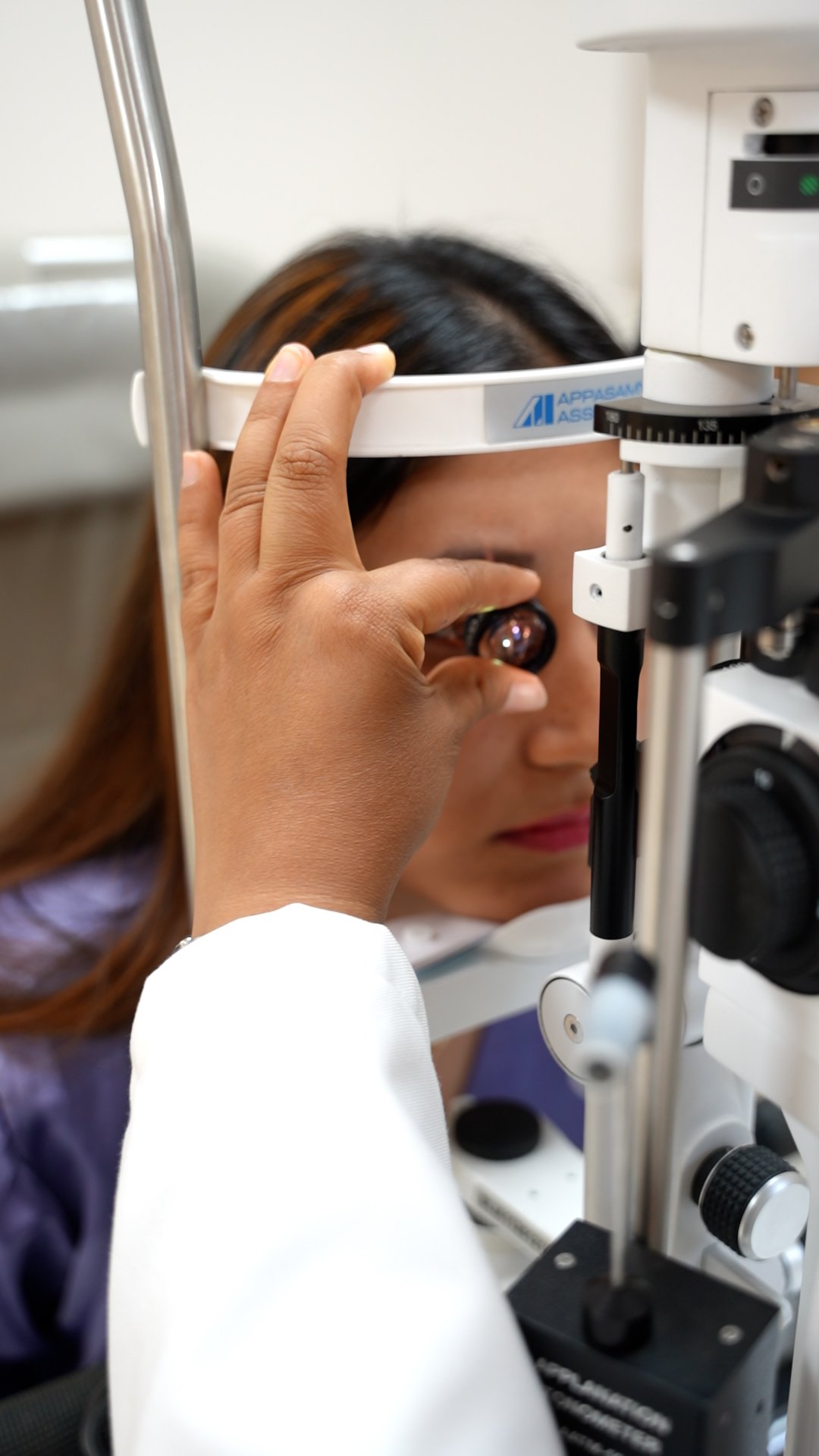
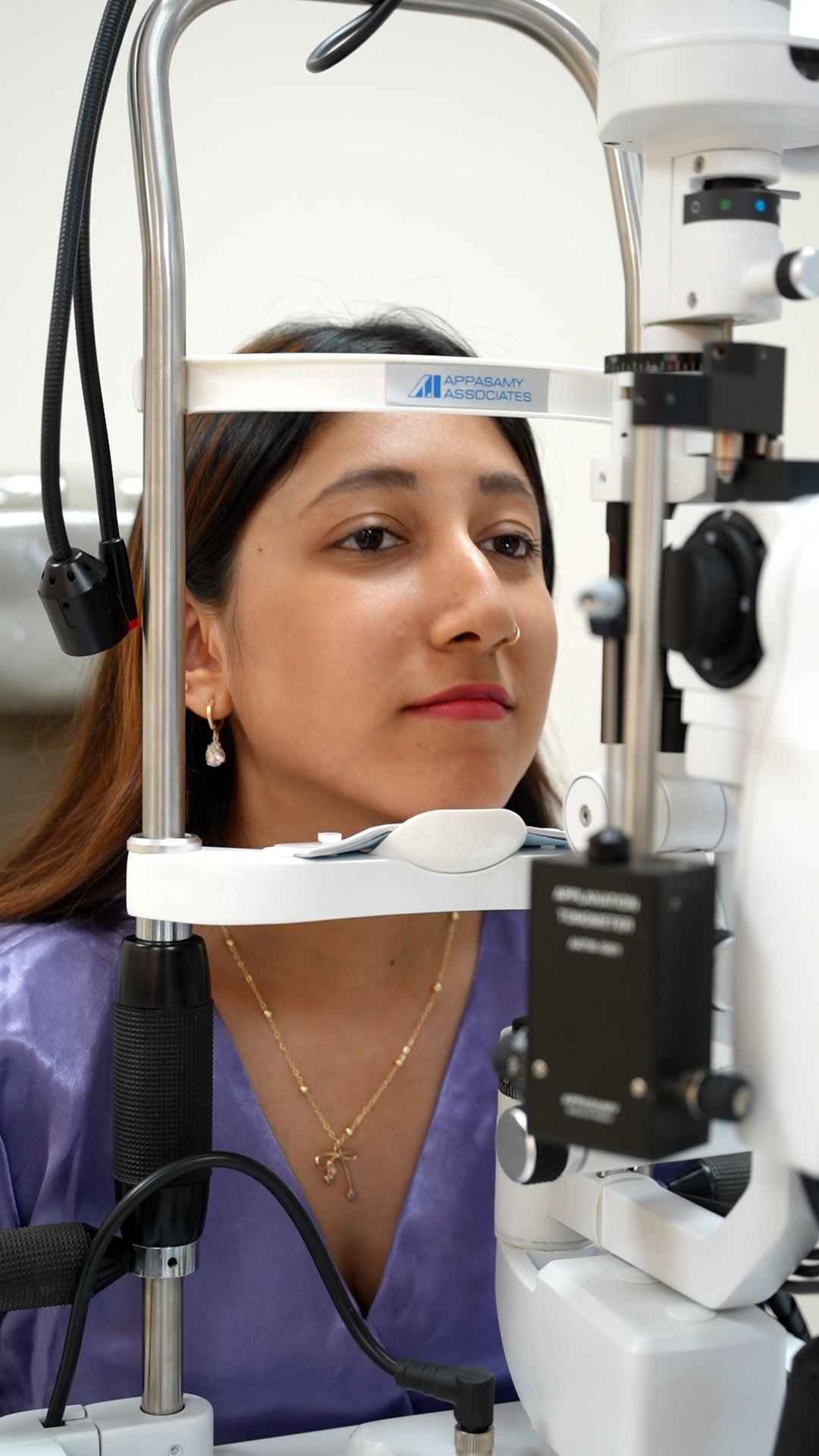
Glaucoma is a group of eye conditions that damage the
optic nerve and can lead to permanent vision loss. With early
diagnosis and proper treatment, vision can be protected for a lifetime.
Personalized Treatment
Safe & Trusted
Personalized For You
Better Visual Outcomes
What is Glaucoma
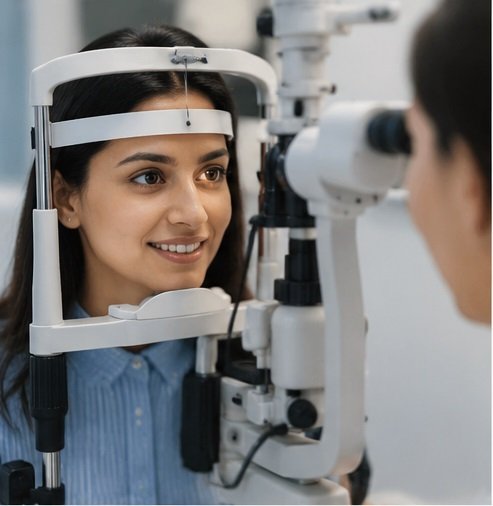
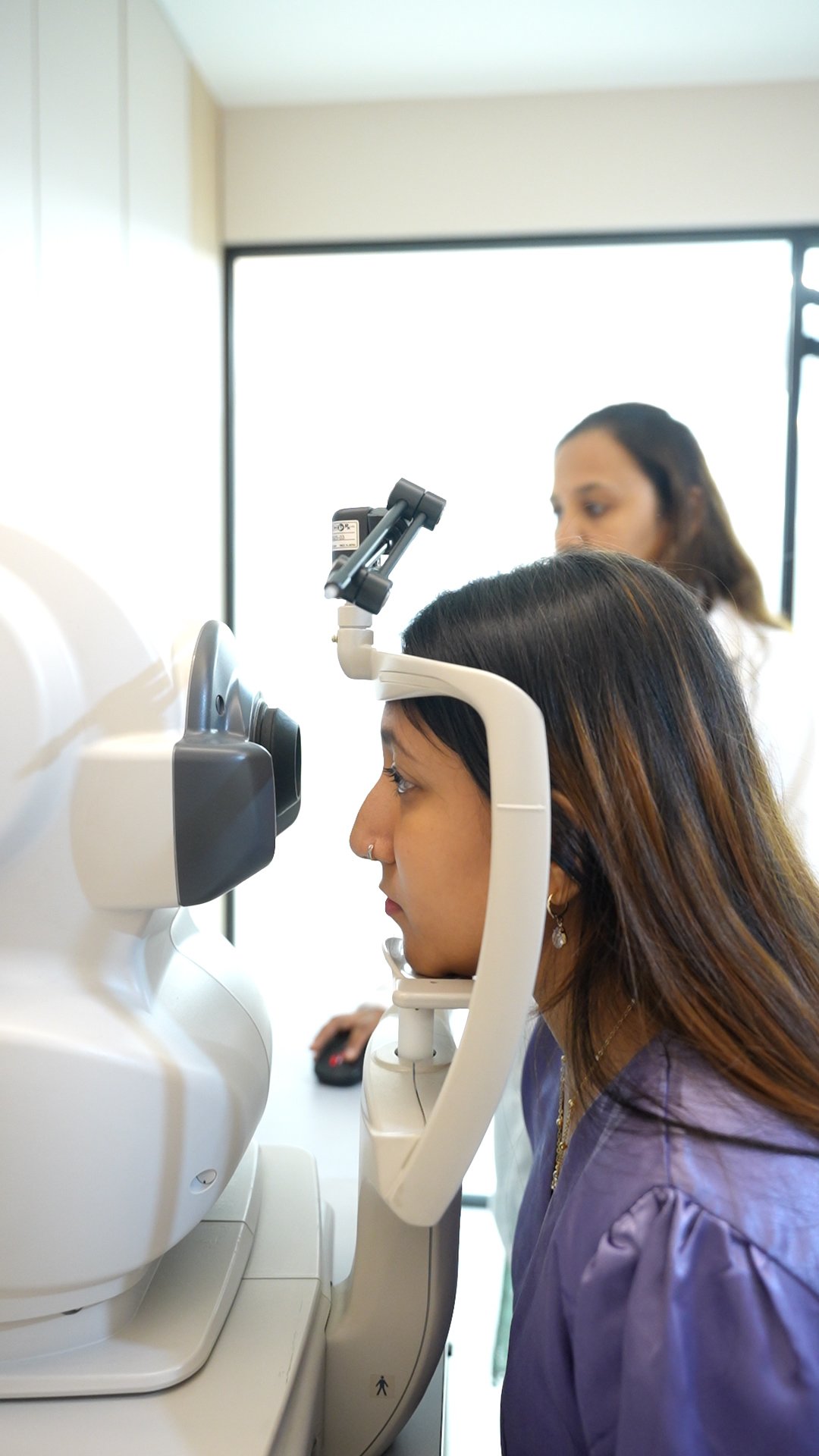
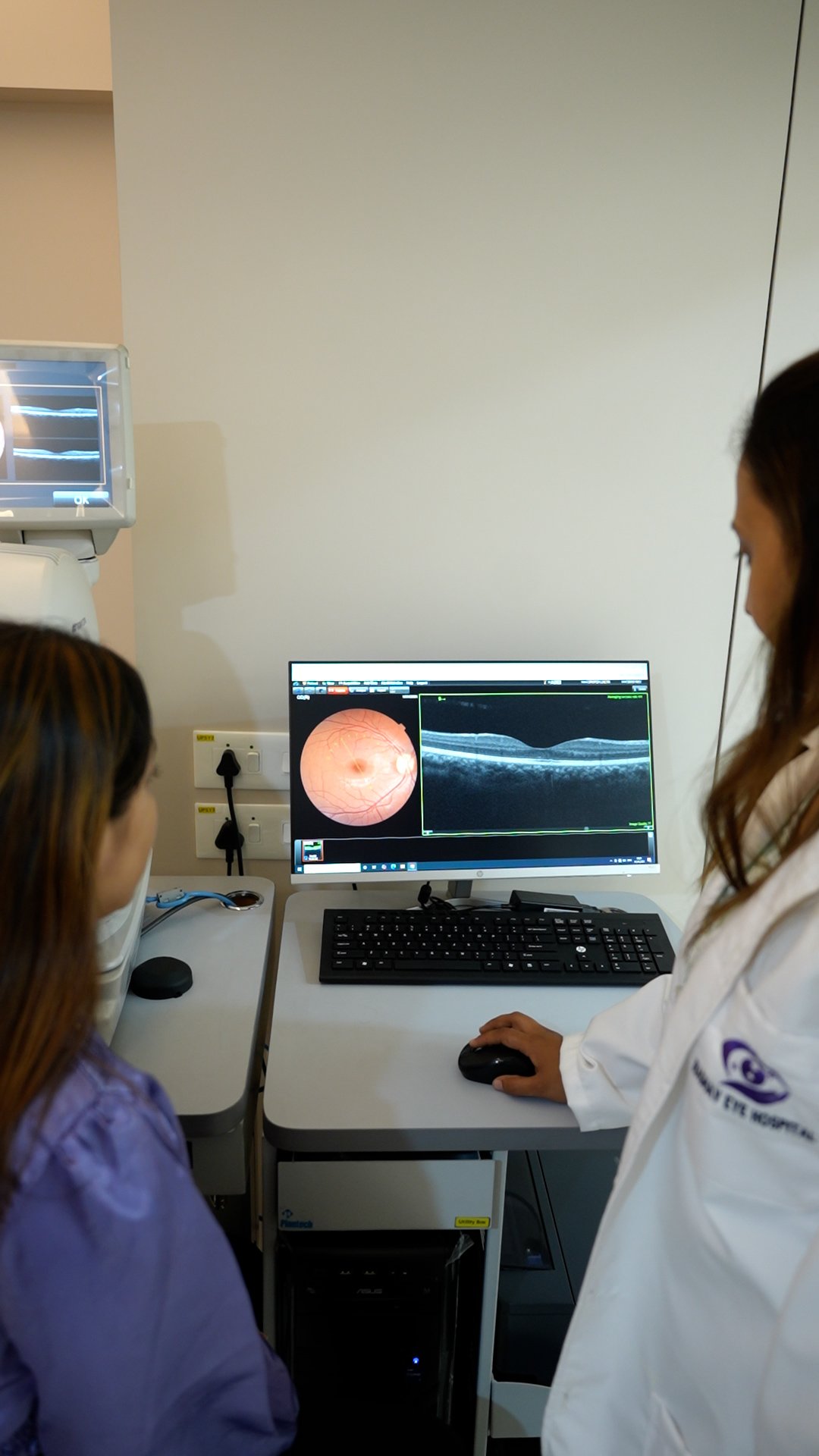
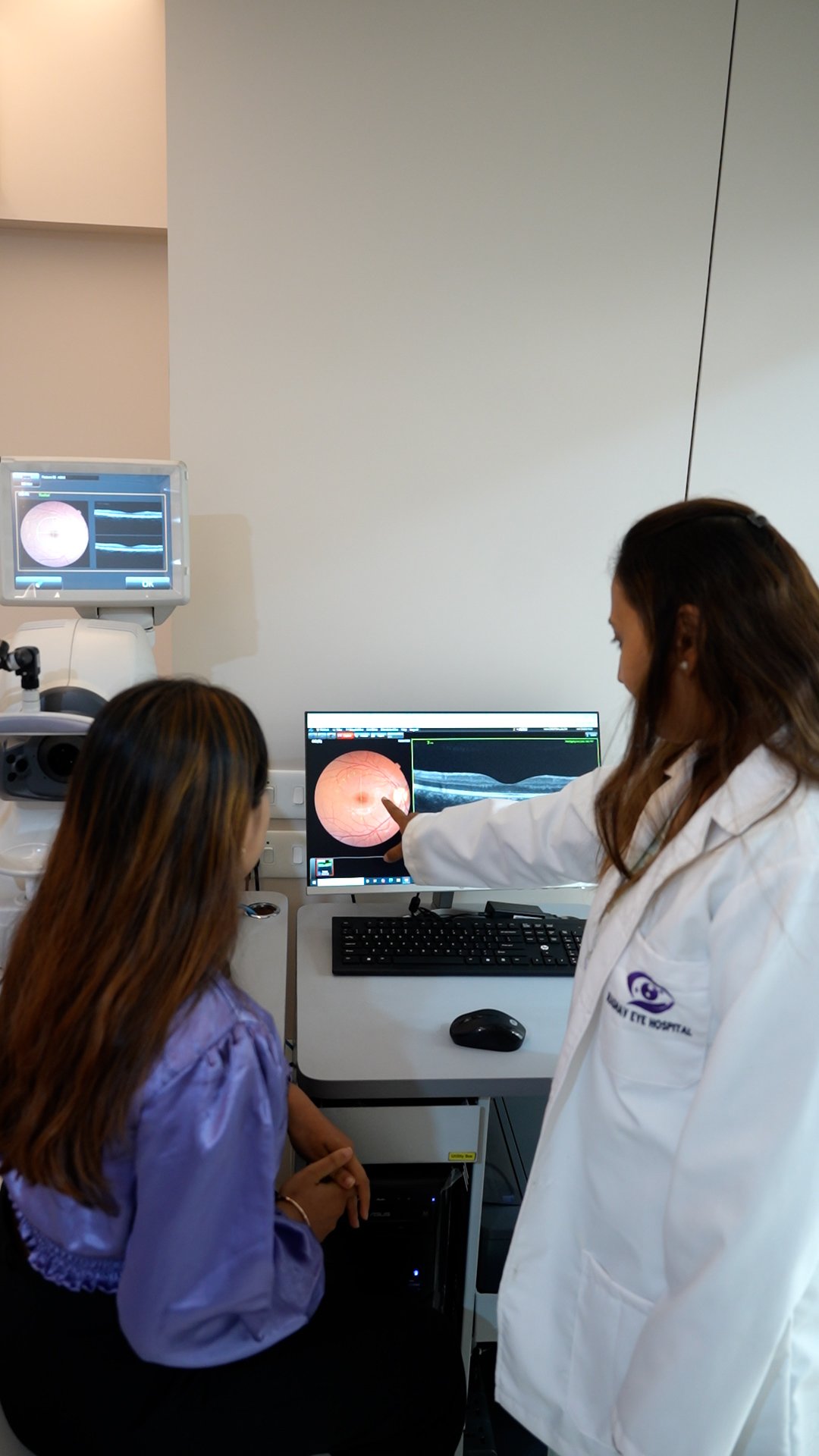
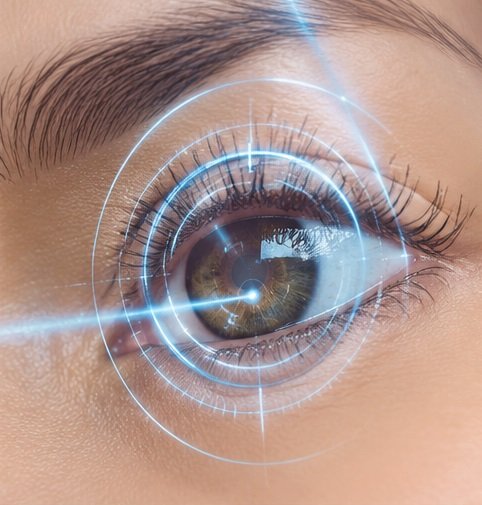
Glaucoma occurs when increased pressure in the eye damages the optic nerve, which is vital for good vision. It often has no early symptoms, which is why regular eye exams are essential.
1 in 8
People over 40 are at risk
Leading
Cause of irreversible blindness
Early Detection
Can prevent vision loss
Millions
Affected worldwide
Symptoms
- No early symptoms
- Gradual loss of peripheral vision
- Tunnel vision in advanced stages
- Eye pain, redness, or headache in acute cases
- Blurry vision
Risk Factors
- Age above 40
- High eye pressure
- Diabetes, high blood pressure
- Long-term use of steroids
- Nearsightedness
When to Consult a Specialist
- Gradual loss of side vision
- Frequent eye pain or headaches
- Blurred vision or halos around lights
- Sudden redness or severe eye discomfort
- Family history of glaucoma
Treatment Options
Medications
Prescription eye drops help lower eye pressure and slow disease progression.
Laser Treatment
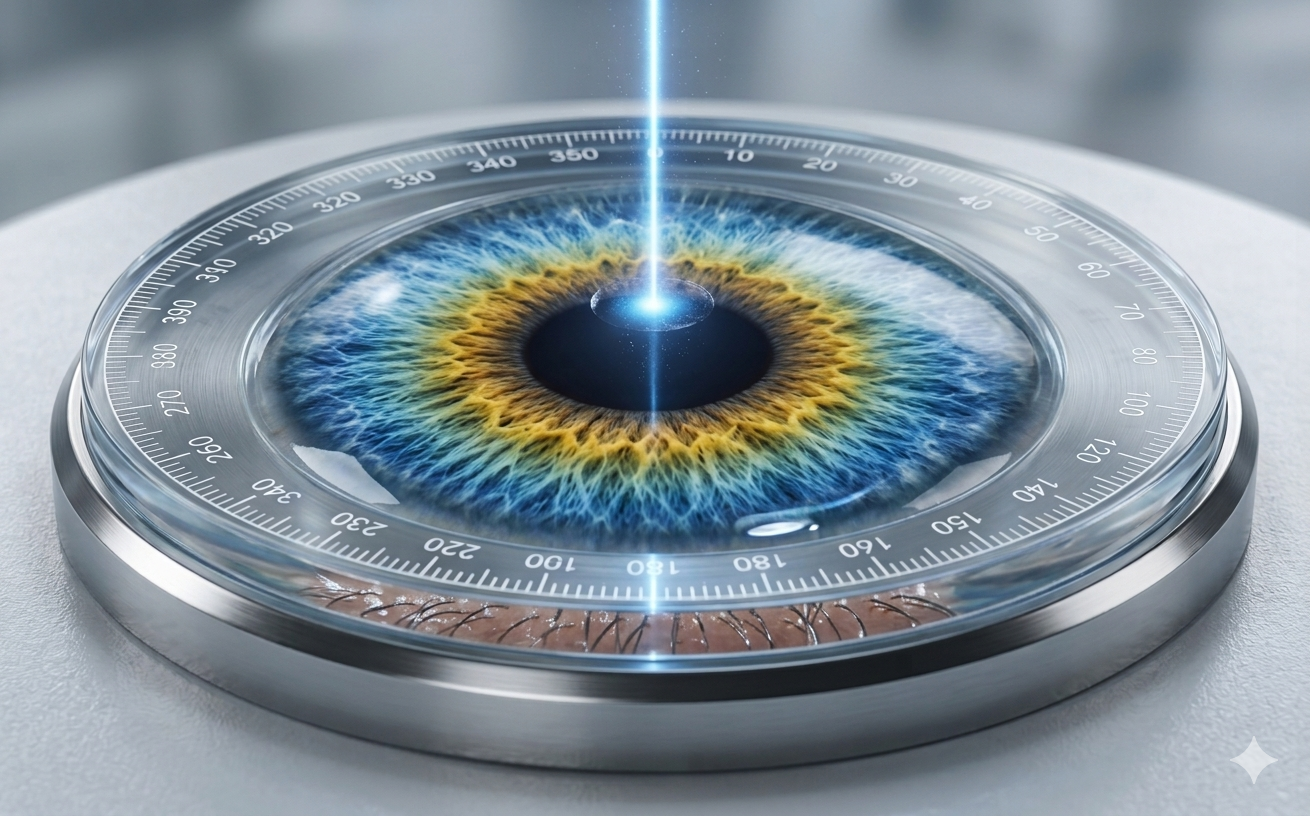
Advanced laser procedures improve fluid drainage and reduce eye pressure.
Minimally Invasive Surgery
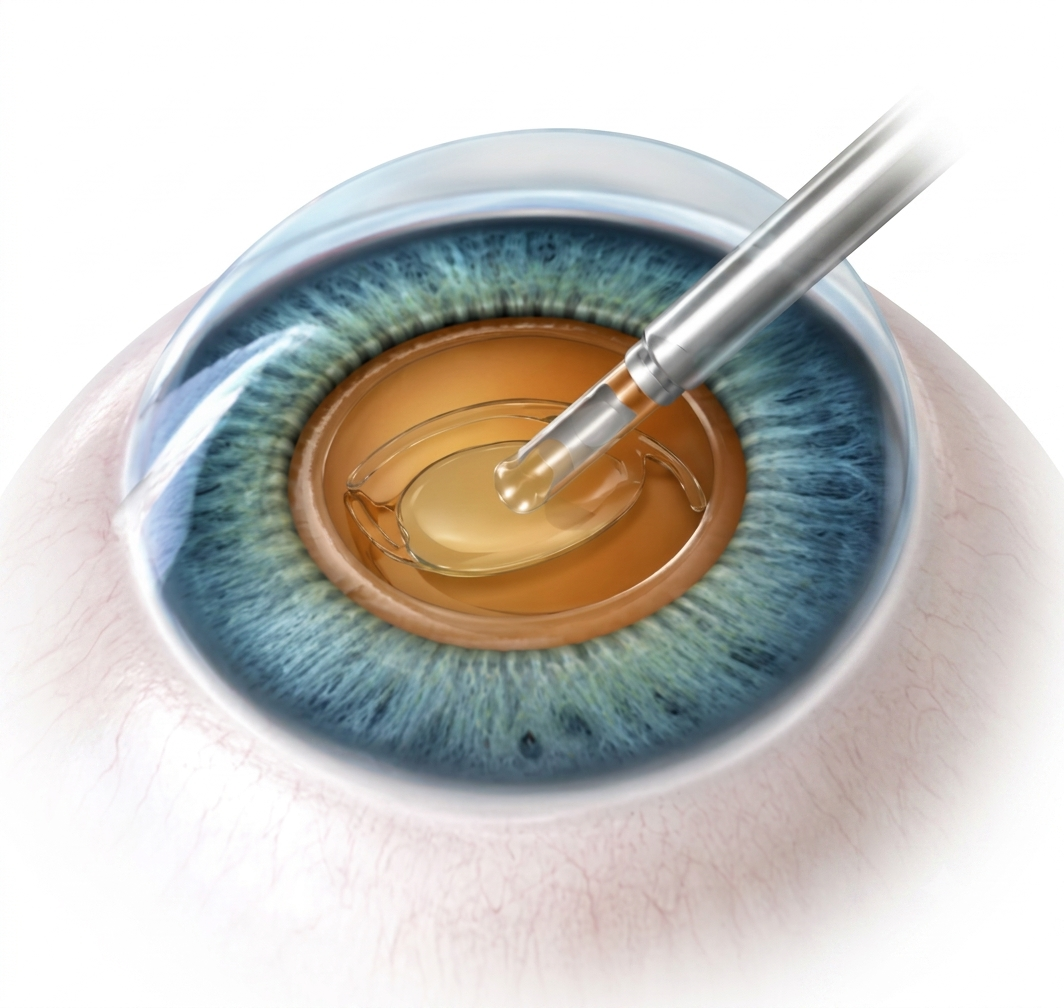
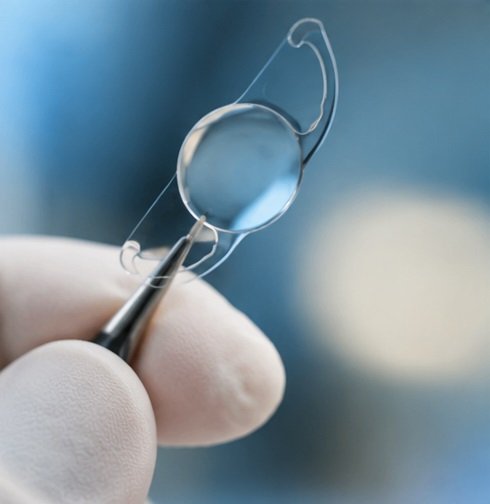
Small-incision techniques for effective pressure control with faster recovery.
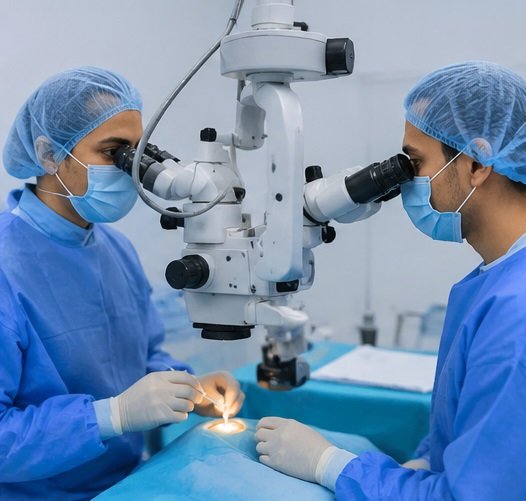
Traditional Surgery
Effective surgical options for advanced glaucoma cases when needed.
Medications
Prescription eye drops help lower eye pressure and slow disease progression.
Laser Treatment
Advanced laser procedures improve fluid drainage and reduce eye pressure.
Minimally Invasive Surgery
Small-incision techniques for effective pressure control with faster recovery.
Traditional Surgery
Effective surgical options for advanced glaucoma cases when needed.
Frequently Asked Question
What is Glaucoma?
Glaucoma is a group of eye diseases that damage the optic nerve, usually due to increased eye pressure. If left untreated, it can lead to permanent vision loss or blindness. Early diagnosis and treatment are essential to protect your eyesight.
What are the early symptoms of Glaucoma?
In the early stages, glaucoma often has no noticeable symptoms, which is why it is called the “silent thief of sight.” As the condition progresses, patients may experience gradual loss of peripheral vision, blurred vision, eye pain, halos around lights, or headaches.
Can Glaucoma be cured?
Glaucoma cannot be completely cured, but it can be effectively managed with early treatment. Eye drops, laser procedures, or surgery can help lower eye pressure and prevent further damage to the optic nerve, preserving your remaining vision.
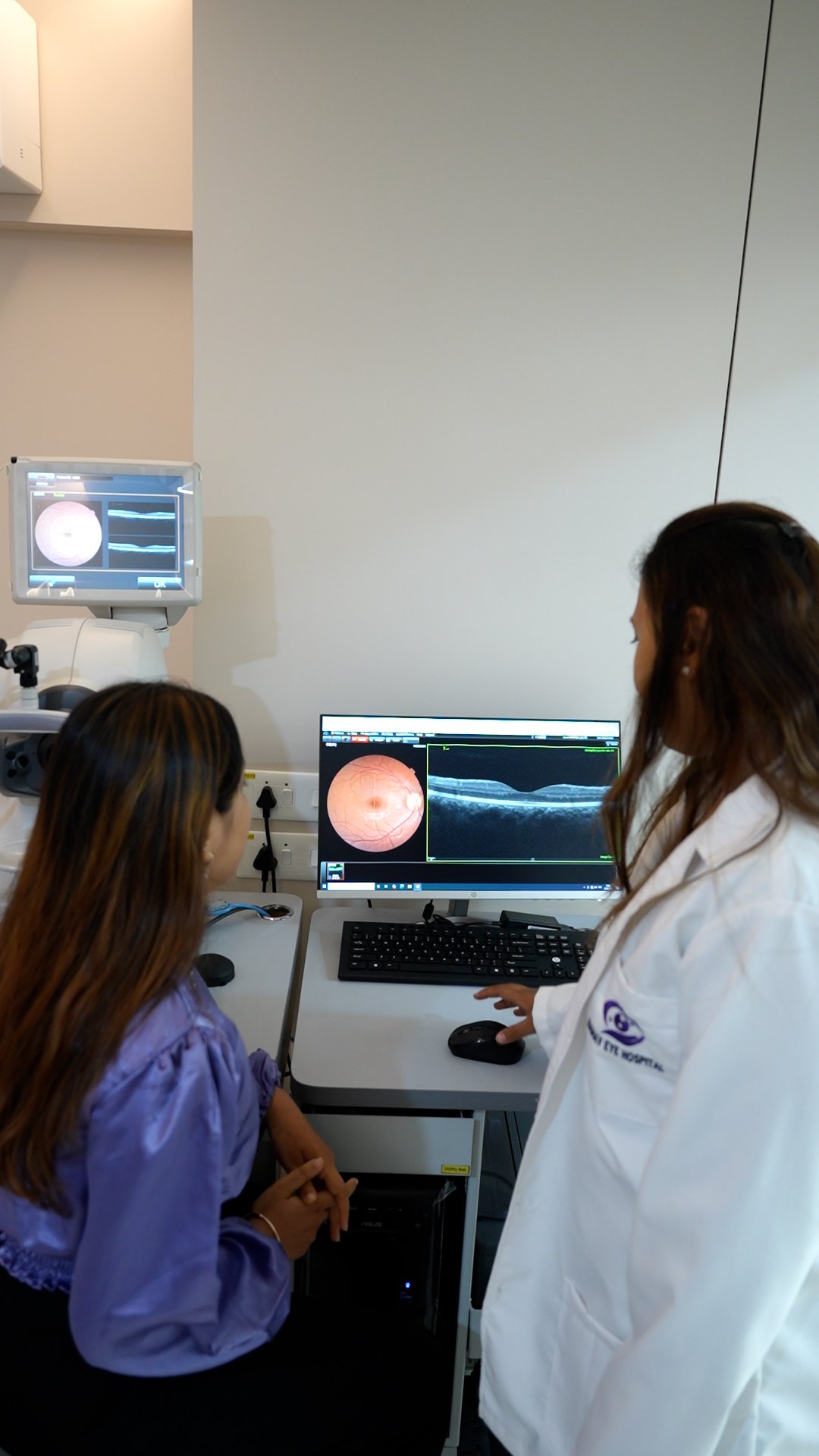
Who is at risk of developing Glaucoma?
People over the age of 40, those with a family history of glaucoma, diabetes, high eye pressure, high blood pressure, or prolonged steroid use have a higher risk of developing glaucoma. Regular eye examinations are recommended for early detection.

What treatments are available for Glaucoma?
Treatment options depend on the severity of the condition and may include prescription eye drops, laser therapy, minimally invasive glaucoma surgery (MIGS), or conventional glaucoma surgery. Your ophthalmologist will recommend the most suitable treatment to control eye pressure and protect your vision.