
SEE THE WORLD IN EVERY COLOUR
Colour Blindness
Care & Treatment
Better Understanding. Better Living.
Colour blindness is a condition that affects the ability to
distinguish between certain colours. With accurate diagnosis
and the right guidance,
Accurate Diagnosis
Expert Evaluation
Personalized Care
Better Quality of Life
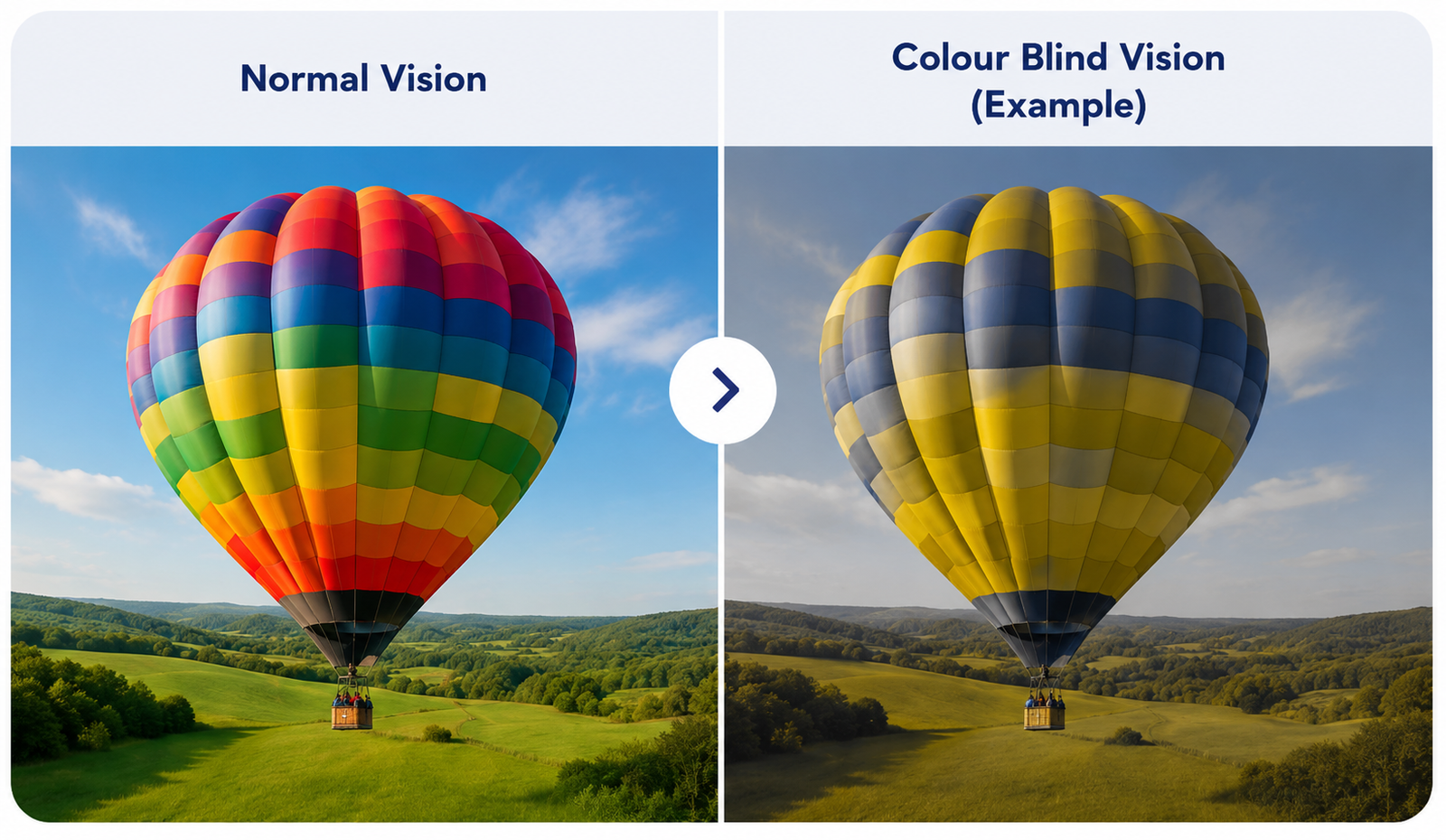
What is Colour Blindness
Colour blindness is usually an inherited condition that affects the cone cells in the eye. It reduces the ability to see differences between certain colours, most commonly red & green or blue & yellow.
Genetic Condition
Usually inherited and present from birth
Not an Eye Disease
It is a vision variation, not an eye disease
More in Males
Affects males more commonly than females
Early Detection
Early testing helps in better understanding and guidance
Common Symptoms
- Difficulty distinguishing certain colours
- Confusion between red & green or blue & yellow
- Fading or dull appearance of colours
- Trouble with colour-based tasks
- No other vision problems
Possible Causes
- Inherited genetic factors
- Changes in the cone cells
- Eye injury or trauma
- Certain medications
- Neurological conditions (rare)
- Other genetic syndromes (rare)

Care & Management Options
Tinted Lenses
Specially tinted lenses can enhance contrast and help distinguish colours.
Digital Tools & Apps
Apps and filters can help identify and match colours.
Lifestyle Guidance
Practical tips for education, career planning and daily activities.
Vision Assessment
Comprehensive tests to understand the type and severity of colour blindness.
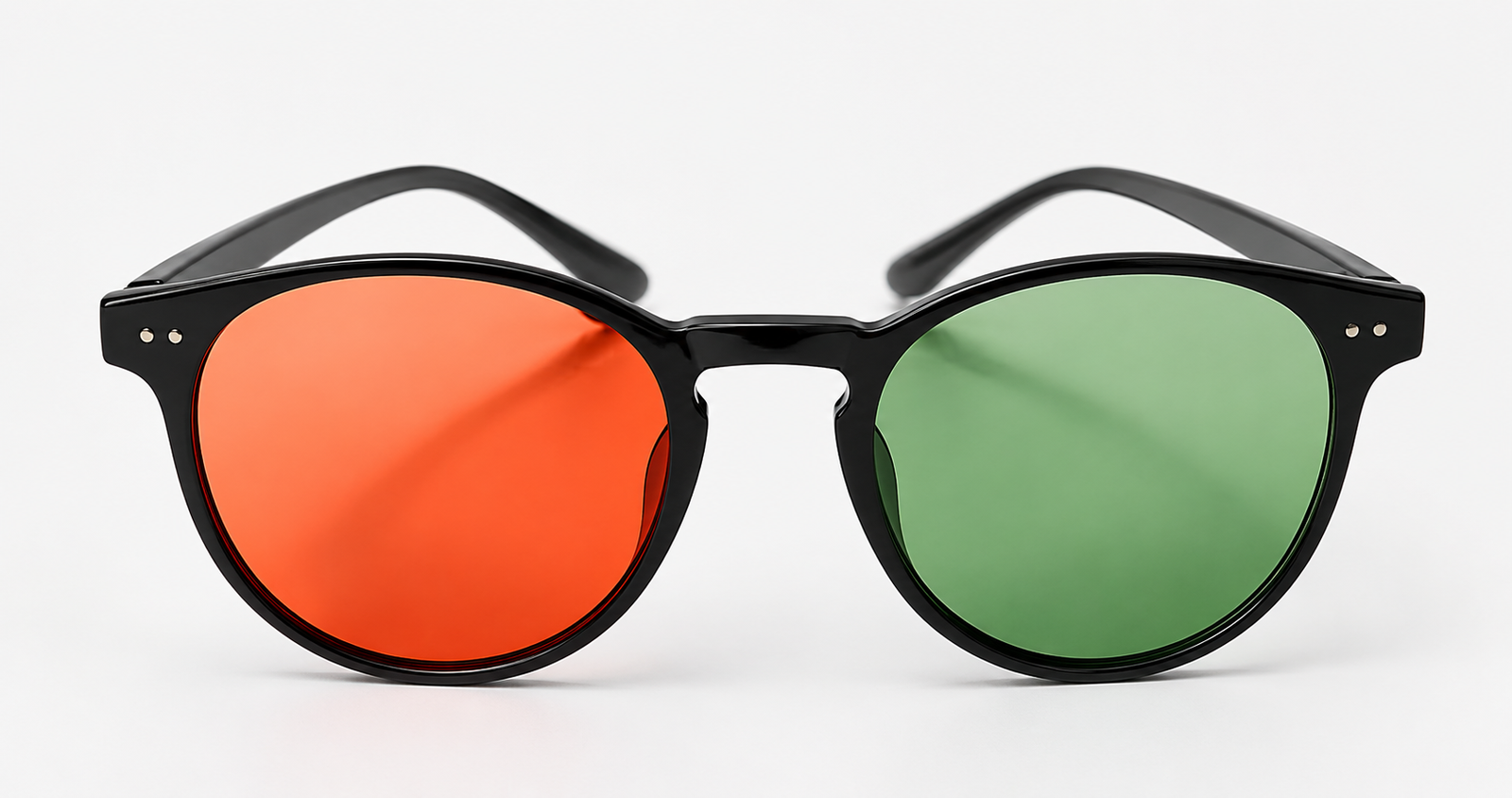
Tinted Lenses
Specially tinted lenses can enhance contrast and help distinguish colours.
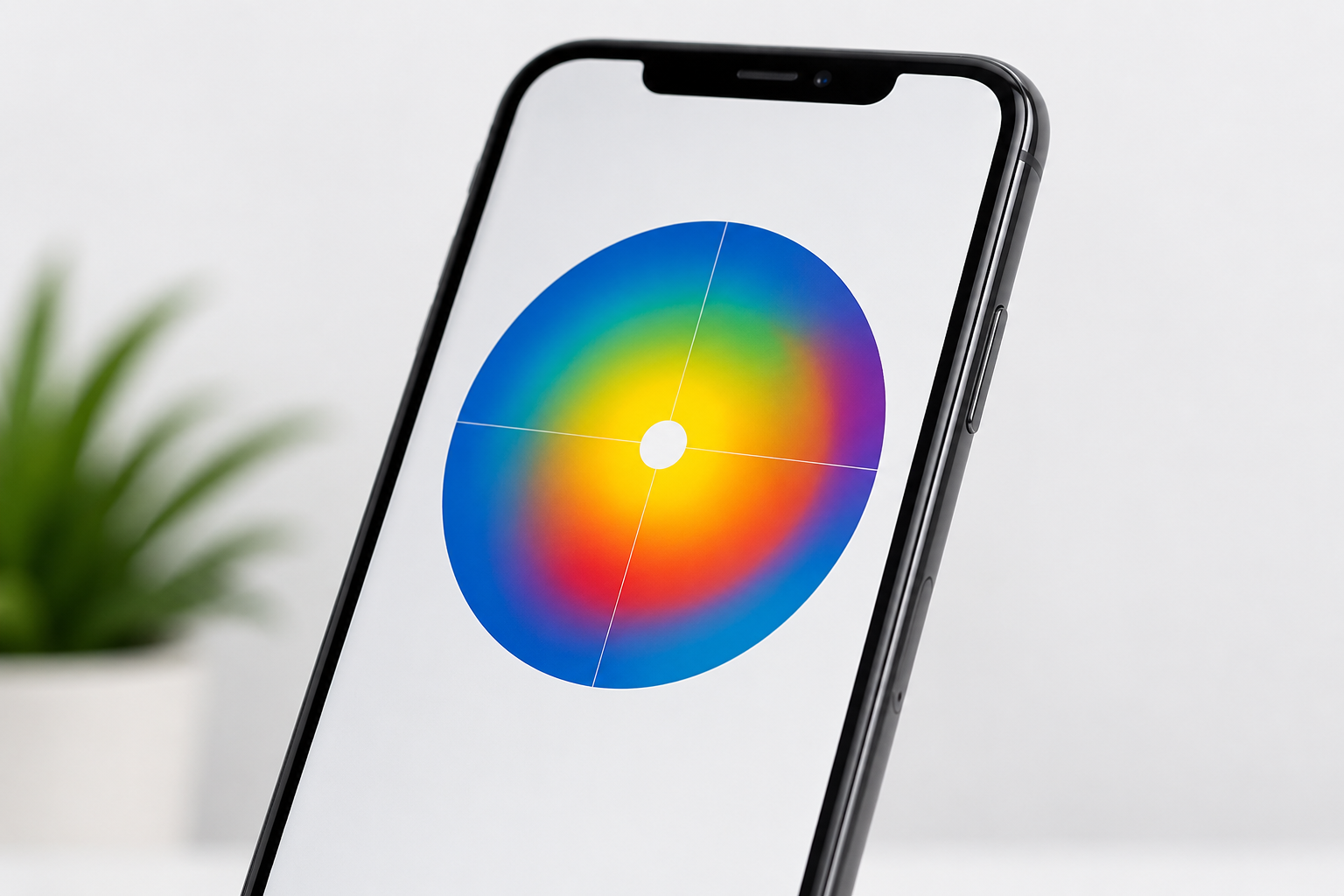
Digital Tools & Apps
Apps and filters can help identify and match colours.

Lifestyle Guidance
Practical tips for education, career planning and daily activities.

Vision Assessment
Comprehensive tests to understand the type and severity of colour blindness.
Frequently Asked Question
What is Colour Blindness?
Colour Blindness (Color Vision Deficiency) is a condition in which a person has difficulty distinguishing certain colours, most commonly red and green, or blue and yellow. It is usually inherited and affects the colour-sensitive cells (cones) in the retina.
Can Colour Blindness be cured?
Currently, there is no permanent cure for inherited Colour Blindness. However, specialized colour-correcting glasses, contact lenses, digital tools, and vision support strategies can help improve colour perception and make everyday tasks easier.
How is Colour Blindness diagnosed?
Colour Blindness is diagnosed through comprehensive eye examinations using colour vision tests such as the Ishihara Colour Plate Test, Farnsworth D-15 Test, and other advanced diagnostic evaluations performed by an eye specialist.
Is Colour Blindness hereditary?
Yes. Most cases of Colour Blindness are inherited and passed down through families. It is more common in males because the most frequent forms are linked to the X chromosome. In rare cases, it can also develop due to eye diseases, injuries, or certain medications.
Can people with Colour Blindness live a normal life?
Yes. Most people with Colour Blindness live completely normal and independent lives. With early diagnosis, proper guidance, assistive technology, and colour-identification tools, they can successfully manage daily activities, education, and most careers.