PROTECT YOUR VISION
Retina
Care & Treatment
Advanced Diagnosis. Expert Care. Better Vision for Life
The retina is a delicate layer of tissue at the back of the eye
that senses light and sends signals to the brain. Retinal diseases
can affect your vision, but early detection and timely .
Early Detection
Advanced Treatment
Personalized Care
Better Vision Together
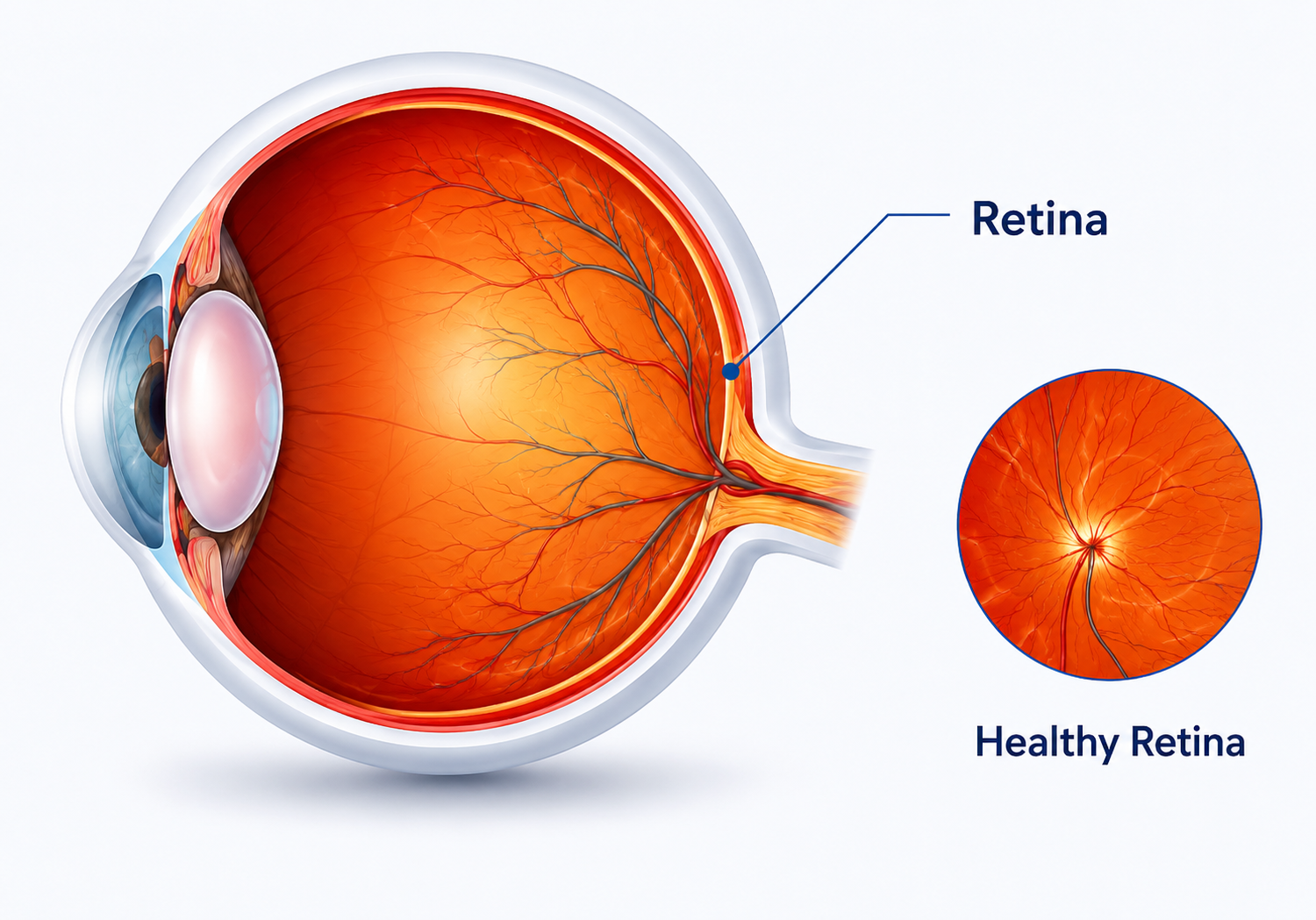
What is Retina
The retina is the light-sensitive tissue at the back of the eye. It plays a vital role in sharp, central and peripheral vision. Retinal diseases can lead to vision loss if not treated early.
Leading
Cause of vision loss in working-age adults
Millions
Affected worldwide
Early Detection
Can save and protect vision
Advanced Care
Better outcomes with timely treatment
Symptoms
- Blurred or distorted vision
- Floaters or dark spots in vision
- Flashes of light
- Difficulty seeing at night
- Sudden vision loss
Risk Factors
- Age above 40
- Diabetes
- High blood pressure
- Family history of retinal diseases
- High myopia
- Smoking
Benefits of Early Detection
- Prevents permanent vision loss
- Enables timely and effective treatment
- Helps preserve central and peripheral vision
- Improves long-term eye health outcomes
- Reduces the risk of serious retinal complications
Treatment Options
Intravitreal Injections
Anti-VEGF injections help reduce swelling and prevent vision loss in retinal diseases.
Laser Treatment
Laser therapy seals or shrinks leaking blood vessels and stabilizes the retina.
Vitrectomy Surgery
Advanced surgical procedure to remove blood, scar tissue, or membranes from the eye.
Advanced Imaging
OCT and retinal imaging help in early diagnosis and precise treatment planning.

Intravitreal Injections
Anti-VEGF injections help reduce swelling and prevent vision loss in retinal diseases.

Laser Treatment
Laser therapy seals or shrinks leaking blood vessels and stabilizes the retina.

Vitrectomy Surgery
Advanced surgical procedure to remove blood, scar tissue, or membranes from the eye.
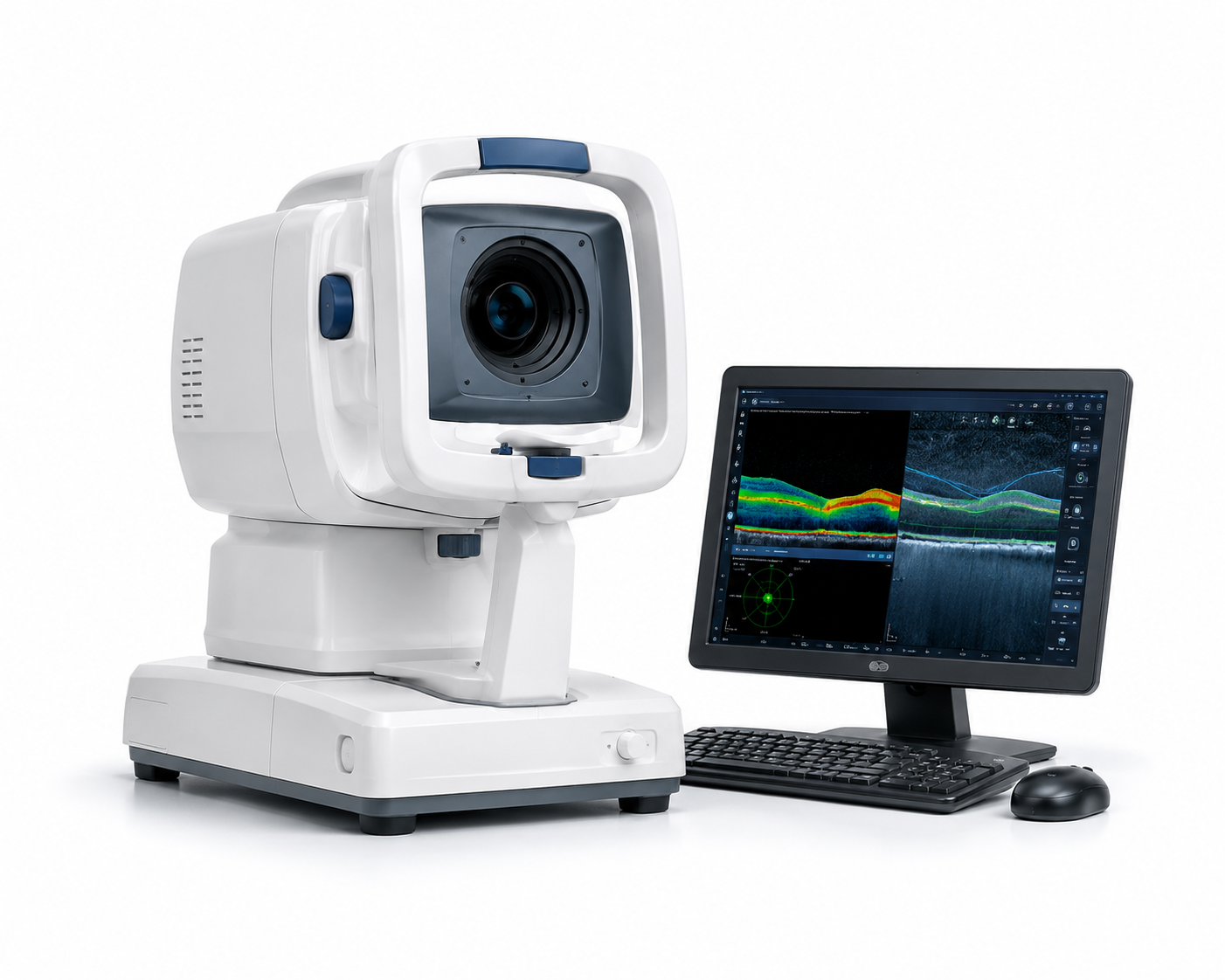
Advanced Imaging
OCT and retinal imaging help in early diagnosis and precise treatment planning.
Frequently Asked Question
What is the Retina
The retina is a thin, light-sensitive layer located at the back of the eye. It captures light and sends visual signals to the brain through the optic nerve, allowing you to see clearly. Any damage to the retina can significantly affect vision.
What are the common symptoms of Retina diseases?
Common symptoms include blurred or distorted vision, floaters, flashes of light, dark spots, difficulty seeing at night, and sudden loss of vision. If you experience any of these symptoms, seek immediate evaluation by a retina specialist
Who is at risk of developing Retina disorders?
People with diabetes, high blood pressure, high myopia (severe nearsightedness), increasing age, previous eye injuries, or a family history of retinal diseases are at a higher risk. Regular retinal examinations help detect problems before permanent vision loss occurs.
What treatments are available for Retina diseases?
Treatment depends on the specific retinal condition and may include intravitreal injections, laser photocoagulation, vitrectomy surgery, retinal detachment repair, or advanced retinal imaging for monitoring. Early treatment offers the best chance of preserving vision.
Can Retina diseases be prevented?
While not all retinal diseases can be prevented, regular comprehensive eye examinations, good diabetes and blood pressure control, a healthy lifestyle, and prompt treatment of early symptoms can significantly reduce the risk of vision loss and help maintain healthy eyesight.